Pressure Systems Safety Regulations 2000 and Pipeline Safety Regulations Course
For availability, course dates, or further details, contact our team today and secure your place.
Book your place on this course to gain a clear understanding of Pressure Systems Safety Regulations 2000 and Pipeline Safety Regulations. This training gives you the knowledge required to manage a pressure system, reduce risk, and maintain compliance across your site.
You learn how these safety regulations apply to real equipment, including pressure equipment, pipelines, and systems that store energy under pressure. This ensures safe operation and helps prevent failure that can lead to serious injury.
This course also prepares you for further training, such as VSO2 and isolation courses.

The Pressure Systems Safety Regulations 2000 apply to any installed system containing a relevant fluid under pressure. This includes a pressure vessel, steam boiler, air compressor, and hydraulic systems with associated pipework.
A pressure system stores energy. If failure occurs, that stored energy can be released rapidly and cause injury. These systems safety regulations 2000 focus on preventing that risk through correct design, inspection, and safe operation.
You must ensure systems operate within safe operating limits using protective devices, routine inspection, and regular maintenance. A written scheme defines the examination required and must be followed in accordance with the PSSR-approved code.
A competent person must carry out an inspection and produce a written report to confirm that the system has been examined safely.

The Pipeline Safety Regulations apply to any pipeline system used to carry gas or liquids. These pipelines safety regulations focus on pipeline operators and their responsibility to manage risk across the full lifecycle of the system.
Pipelines often operate under high pressure. Failure can result in injury, environmental damage, and disruption. You must ensure the system remains suitable for its intended purpose at all times.
This includes inspection, testing, and repairs of component parts and associated pipework. The regulations also require clear procedures where there is imminent danger.
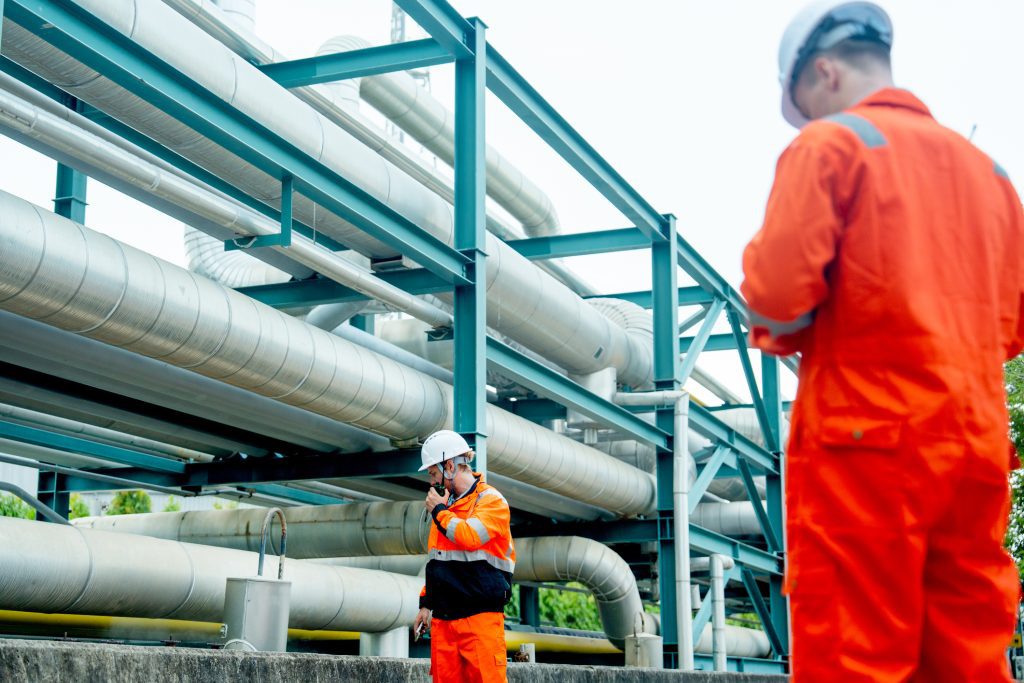
The Pipeline Safety Regulations apply to any pipeline system used to carry gas or liquids. These pipelines safety regulations focus on pipeline operators and their responsibility to manage risk across the full lifecycle of the system.
Pipelines often operate under high pressure. Failure can result in injury, environmental damage, and disruption. You must ensure the system remains suitable for its intended purpose at all times.
This includes inspection, testing, and repairs of component parts and associated pipework. The regulations also require clear procedures where there is imminent danger.
These pressure systems safety regulations and pipeline safety regulations protect people, equipment, and operations.
You are responsible for ensuring compliance across all systems, including mobile system equipment and any transportable pressure receptacle that can be easily moved.
Failure to follow these safety standards increases the risk of injury, system damage, and legal action. This course gives you the knowledge required to manage inspection, maintenance, and operation in accordance with the law.
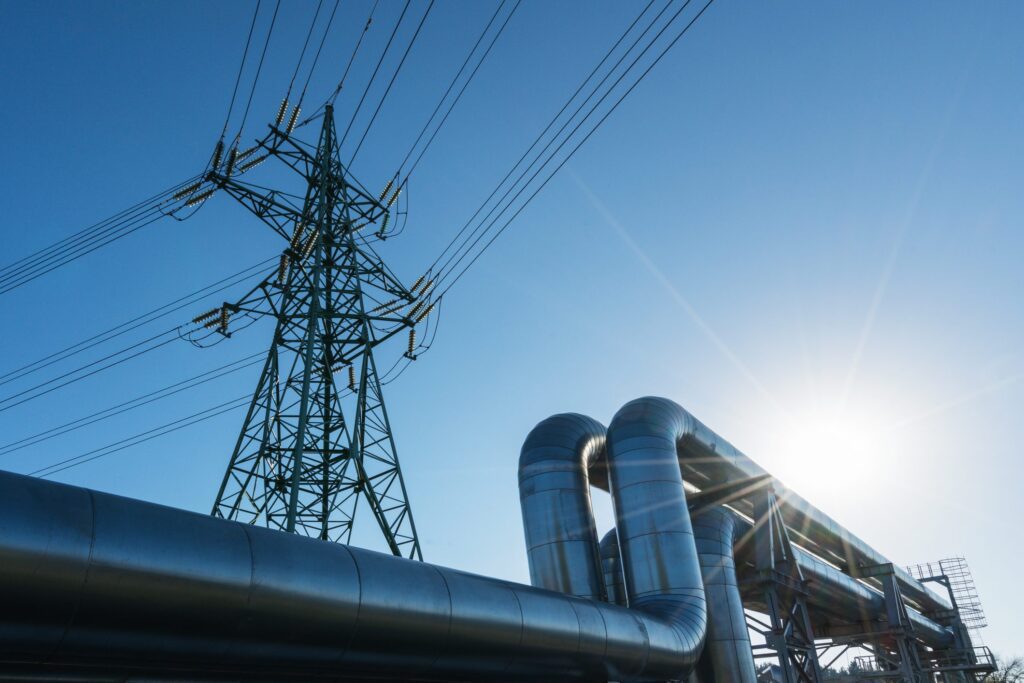
You learn how pressure, steam, gas dissolved in liquids, and hydraulic oils behave within a system. This helps you understand how stored energy creates risk.
The course explains how rigid construction, protective devices, and safe operating limits support safe operation across equipment such as a steam boiler, air compressor, and pressurised hot water systems.
You learn how to follow a written scheme and define inspection intervals and examination required.
The course explains the role of the competent person and how a written report confirms compliance. You will understand how systems are examined safely in accordance with regulations.
You learn how to carry out inspection, testing, and maintenance across pressure equipment and pipeline systems.
This includes routine maintenance, regular maintenance, and identifying defects before failure occurs. You will also understand how to carry out repairs and maintain safe operation across all systems.
You learn your legal responsibilities under pressure systems safety regulations 2000 and pipeline safety regulations.
This includes managing risk, maintaining documentation, and ensuring systems remain suitable for their intended purpose. The course also explains how certain regulations apply to systems such as cooling systems, steam systems, and hydraulic systems.
This course is suitable if your role involves pressure systems or pipelines.
You should book this course if you:
This course gives you the foundation required to work safely within regulated environments.
You do not need formal qualifications to attend.
Some experience with systems such as gas, steam, or hydraulic systems will help you understand the course content more quickly.
For further details, pricing, or group bookings, contact our team directly.
This training is based on real industry practice and recognised guidance.
You gain a clear understanding of:
This allows you to manage systems safely, reduce risk, and maintain compliance across your operation.