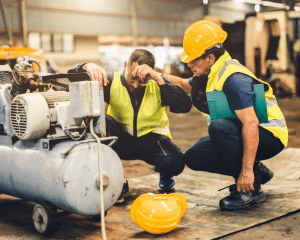
Why Experienced Workers Still Make Safety Mistakes
Many employers assume safety incidents mainly involve new or inexperienced workers. In reality, investigations often show the opposite. Skilled, long-serving workers feature regularly in incident
Many employers assume safety incidents mainly involve new or inexperienced workers. In reality, investigations often show the opposite. Skilled, long-serving workers feature regularly in incident
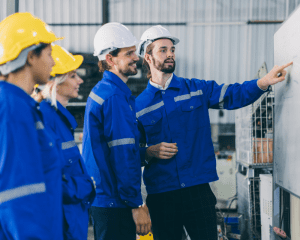
Expired safety training creates silent risk across UK workplaces. Many employers believe training remains valid until an incident, audit, or site access issue proves otherwise.

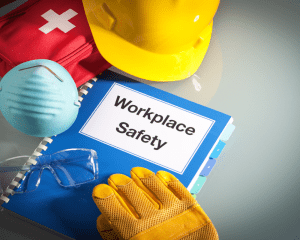
Workplace first aid kits play a critical role in protecting employees when accidents happen. Injuries rarely occur at convenient times, and immediate access to the

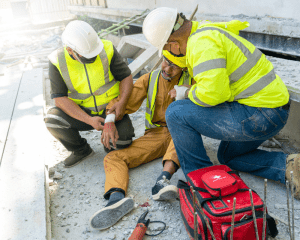
A serious workplace incident places immediate responsibility on the employer. Decisions taken in the hours and days following an incident shape worker welfare, regulatory outcomes,

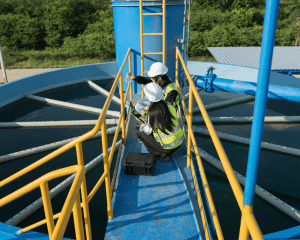
Water industry sites present complex safety challenges. Workers operate around live assets, open water, confined spaces, chemicals, and heavy equipment. These environments leave little room

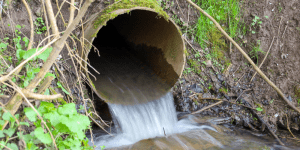
Working around wastewater is an unavoidable reality for many people across the drainage and utilities sector. Whether you are maintaining sewer networks, responding to blockages,

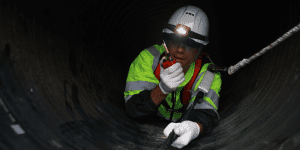
Working in the sewer and drainage environment is one of the most hazardous roles within the utilities sector. Confined spaces are a routine part of

Sewer and drainage work exposes operatives to a unique combination of physical, environmental, and health hazards. Unlike many surface-level utility roles, working below ground requires

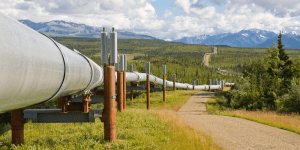
Cross country pipeline work demands a high level of awareness, preparation, and responsibility. Unlike work carried out within controlled industrial environments, pipeline projects often span

Workplaces across the UK face a wide range of potential emergencies every day. While serious incidents are rare, when they do happen the response in