Water industry sites present complex safety challenges. Workers operate around live assets, open water, confined spaces, chemicals, and heavy equipment. These environments leave little room for error. Despite this, many incidents stem from simple mistakes rather than rare or unpredictable events. Gaps in knowledge, rushed decisions, and inconsistent training all contribute.
Safety training plays a direct role in reducing these risks. It builds awareness, reinforces responsibility, and prepares workers to respond correctly under pressure. This article explains the most common safety mistakes seen on water industry sites and shows how structured training helps prevent them.
What Makes Water Industry Sites High Risk?
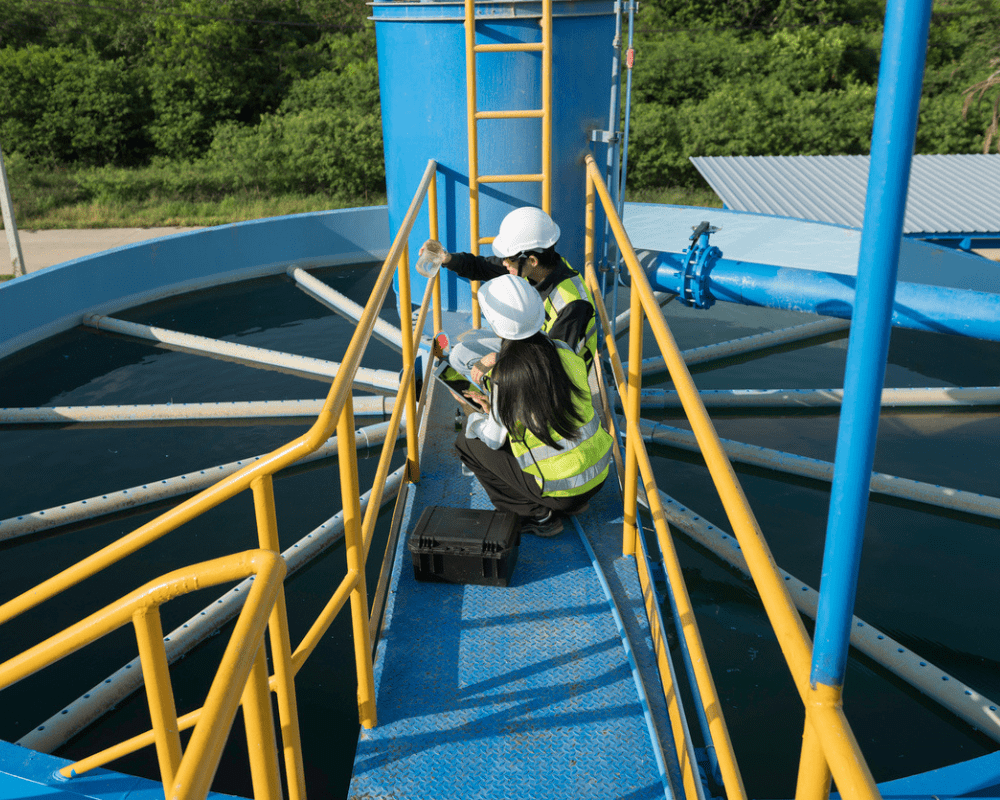
Water sites combine several hazards in one environment. Workers often deal with restricted access, uneven ground, and limited visibility. Clean and wastewater locations introduce additional risks linked to contamination and environmental damage. Many sites sit in isolated areas, which slows emergency response.
Conditions change throughout the day. Water levels fluctuate. Equipment starts and stops. Weather affects access routes and surfaces. Without training, workers rely on assumptions based on previous jobs. Training teaches workers to assess conditions as they find them, not as they expect them to be.
Which Safety Mistakes Cause the Most Incidents on Water Sites?
Relying on Familiarity Instead of Assessment
Experienced workers often assume risk remains consistent across sites. This mindset leads to missed hazards. Each water site has unique layouts, access points, and operational pressures. Training reinforces the need for fresh risk assessment every time a worker arrives on site.
Poor Confined Space Awareness
Confined spaces remain one of the highest risk areas in the water sector. Chambers, tanks, and tunnels restrict movement and airflow. Workers sometimes enter without fully understanding atmospheric hazards or rescue limitations. Training highlights these dangers and reinforces correct entry controls and emergency planning.
Incorrect PPE Use or Selection
PPE errors occur when workers wear damaged equipment, choose unsuitable protection, or remove PPE during tasks. Training explains how PPE supports safe systems of work and why correct selection matters in water environments.
Treating Environmental Controls as Secondary
Environmental incidents often follow minor oversights. Workers fail to protect drains, mismanage waste, or overlook spill response procedures. Training places environmental responsibility at the same priority level as personal safety.
Uncertainty During Emergencies
During incidents, uncertainty delays response. Workers may not know who to contact or what steps to take first. Training creates familiarity with emergency procedures, which supports calm and effective action.
Why Do These Safety Mistakes Keep Occurring?
Several factors drive repeated errors. Time pressure encourages shortcuts. Familiarity breeds complacency. Site inductions focus on local rules rather than core risk awareness. Some workers hold expired certifications or training unrelated to water industry risks.
Training addresses these issues by setting a consistent baseline. It ensures workers understand hazards, legal duties, and correct behaviour before stepping onto site. Inductions then reinforce site-specific details rather than replace training.
How Does Structured Training Change Behaviour on Site?
Building Proactive Risk Awareness
Training teaches workers to pause, observe, and reassess conditions. This habit reduces reactive decision-making and prevents escalation.
Strengthening Individual Responsibility
Training explains legal responsibilities under health and safety law. Workers understand how their actions affect colleagues, the public, and the environment.
Improving Communication
Trained workers report hazards earlier and communicate more clearly with supervisors. This improves site coordination and control.
Creating Consistent Safety Standards
Recognised training ensures contractors, operatives, and supervisors share the same safety expectations across sites.
How Does SHEA Water Training Reduce Safety Errors?
The SHEA Water course provides a recognised safety standard for water industry work. It covers hazard identification, environmental awareness, confined space risks, and emergency response. The course focuses on real site conditions rather than theory alone.
Jason Rowley Training delivers SHEA Water training through experienced instructors who understand operational pressures on water sites. The course prepares workers to recognise hazards early and follow correct procedures under pressure.
Who Should Complete Water Industry Safety Training?
Safety training supports everyone working on or around water assets. This includes operatives carrying out maintenance, contractors visiting multiple sites, and supervisors responsible for site control. Employers also benefit through reduced incidents, fewer delays, and stronger compliance.
Training supports consistent standards across teams and reduces reliance on assumptions or informal knowledge.
What Are the Consequences of Ignoring Safety Mistakes?
Unaddressed safety errors lead to injuries, environmental harm, and enforcement action. Employers face investigations, project delays, and reputational damage. Workers risk long-term health effects and loss of income. Training provides a practical route to prevention and protection.
How Jason Rowley Training Supports Safer Water Industry Work
Jason Rowley Training delivers industry-recognised safety training for water sector professionals across the UK. Our courses focus on practical awareness, clear procedures, and confident decision-making on site.
Explore all available safety training, or for guidance on the right course for your role, speak to our team today.