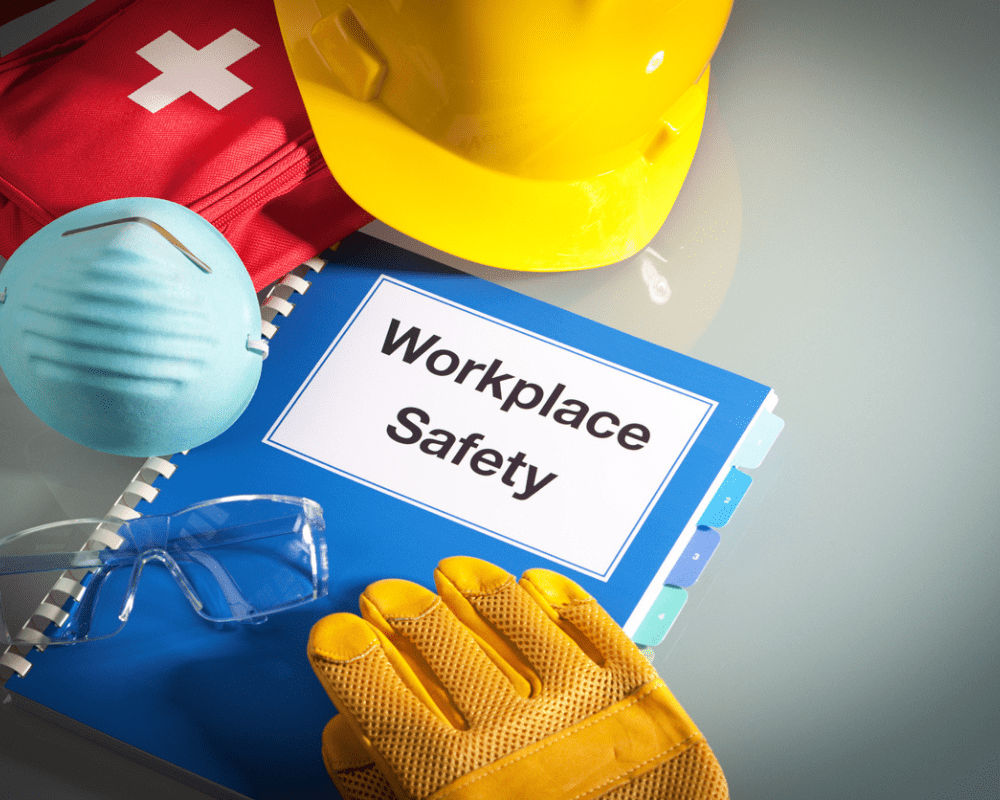
Workplaces across the UK face a wide range of potential emergencies every day. While serious incidents are rare, when they do happen the response in the first few minutes often makes the biggest difference. That is why trained first aiders play such a critical role in keeping people safe at work.
Emergency first aid is not just about reacting under pressure. It is about recognising situations early, taking appropriate action, and preventing further harm until professional help arrives. Whether you work in an office, warehouse, construction site, or utility environment, certain emergencies are far more common than others. A well-prepared first aider understands these risks and knows how to respond calmly and effectively.
Why First Aid Preparedness Matters in the Workplace
Every workplace carries its own hazards. Slips, trips, manual handling injuries, medical episodes, and sudden illnesses can happen without warning. Even in low-risk environments, incidents such as fainting, burns, or allergic reactions can quickly escalate if no one knows what to do.
Trained first aiders provide immediate support, reassurance, and practical care. Their actions help stabilise the casualty, reduce the severity of injuries, and support recovery. In many cases, effective first aid prevents situations from becoming life-threatening.
This is why emergency first aid at work training focuses on realistic workplace scenarios rather than theory alone. The goal is to ensure first aiders can respond confidently in real situations, not just pass an assessment.
Unconsciousness and Collapse
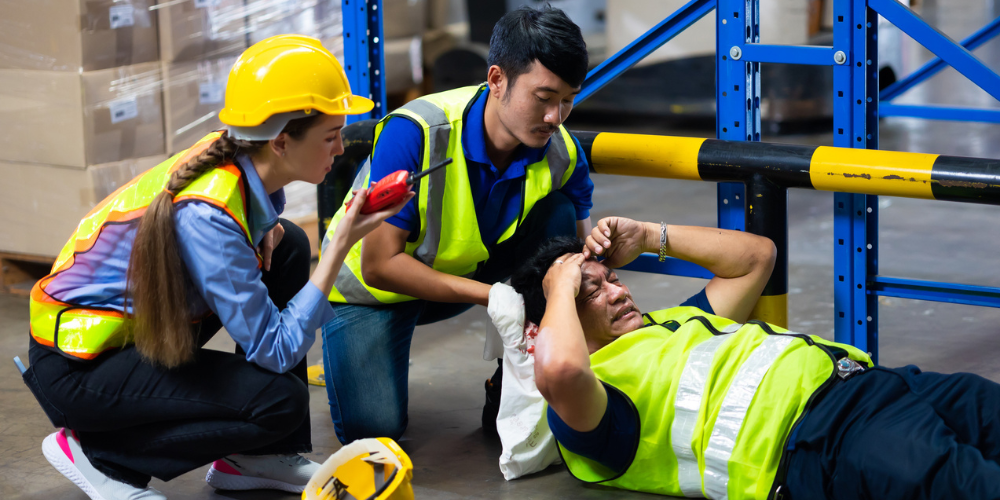
One of the most serious situations a first aider may face is a colleague who suddenly collapses or becomes unresponsive. This could be caused by a medical condition, head injury, lack of oxygen, or cardiac arrest.
A trained first aider knows how to carry out a primary survey, check responsiveness, assess breathing, and decide on the next steps. Placing someone in the recovery position, calling the emergency services promptly, or beginning CPR when required are all critical actions that must be taken without hesitation.
These skills are a core part of emergency first aid at work training and are practised repeatedly to build confidence and muscle memory.
Cardiac Arrest and Sudden Medical Emergencies
Cardiac arrest can happen in any workplace, regardless of risk level. When it does, every second counts. Early CPR and the use of an automated external defibrillator (AED) significantly improve survival rates.
First aiders trained in CPR and AED use are prepared to act immediately, even before emergency services arrive. They understand how to recognise the signs of cardiac arrest, perform effective chest compressions, and use a defibrillator safely.
Training courses reinforce the importance of staying calm, working as a team, and following clear procedures during high-pressure situations. These are skills that cannot be improvised in the moment without prior training.
Bleeding and Severe Wounds
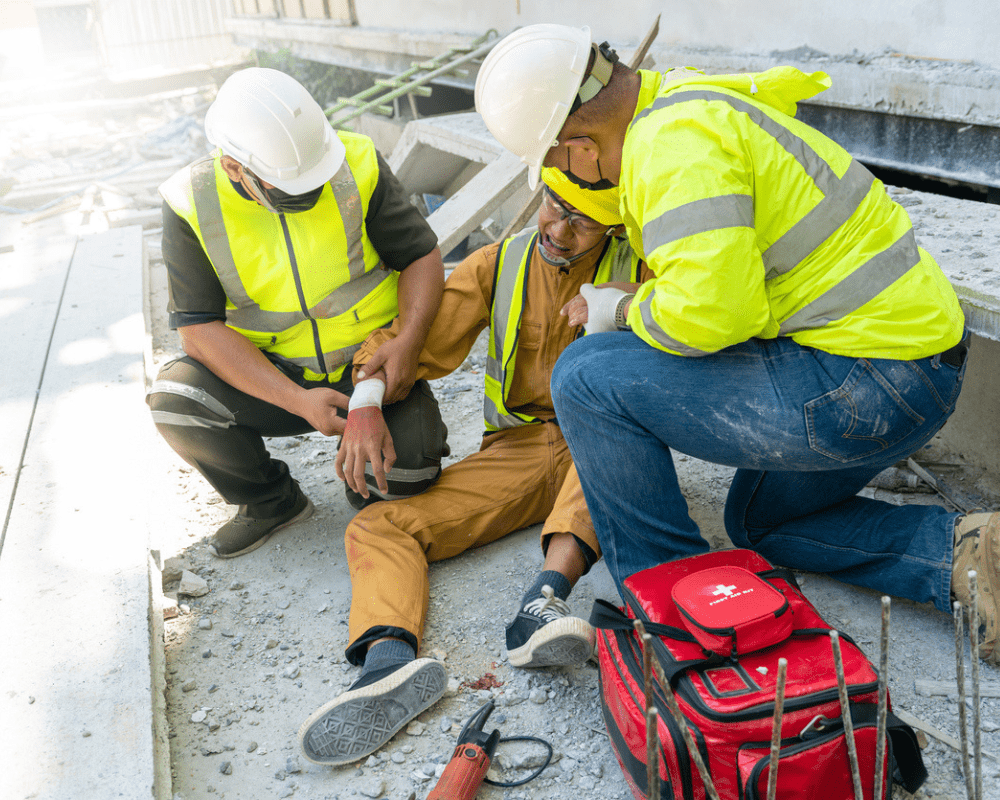
Cuts and lacerations are common workplace injuries, particularly in environments involving tools, machinery, or sharp materials. While many wounds are minor, some can involve heavy bleeding that requires urgent attention.
First aiders are trained to assess the severity of bleeding, apply direct pressure, use dressings correctly, and monitor for signs of shock. Knowing how to manage bleeding effectively helps reduce the risk of complications and keeps the casualty stable until further medical care is available.
Emergency first aid training also covers how to protect yourself as a first aider, ensuring safe practice when dealing with blood and bodily fluids.
Burns and Scalds
Burns can occur in offices, kitchens, workshops, and industrial settings. They may be caused by heat, chemicals, electricity, or friction. Even seemingly minor burns can become serious if not treated correctly.
First aiders learn how to cool burns safely, protect the affected area, and recognise when further medical treatment is required. Training emphasises what not to do as much as what to do, helping prevent common mistakes that can worsen injuries.
Understanding burn severity and appropriate response is an essential part of workplace first aid provision.
Slips, Trips, and Falls
Falls remain one of the most frequent causes of workplace injury. They can result in sprains, fractures, head injuries, or spinal damage depending on the circumstances.
A trained first aider knows how to assess the casualty, provide reassurance, and avoid unnecessary movement if a serious injury is suspected. Knowing when to support someone gently and when to wait for emergency services is a vital judgement call that comes with proper training.
Emergency first aid at work courses place strong emphasis on casualty assessment and decision-making, not just physical treatment.
Choking Incidents
Choking can occur during breaks, meetings, or social events at work. It is particularly dangerous because it can escalate rapidly if not addressed immediately.
First aiders are trained to recognise choking quickly and apply the correct techniques, such as back blows and abdominal thrusts, depending on the situation. These skills require confidence and correct technique, both of which are developed through hands-on training.
Shock and Medical Distress
Shock can develop following injuries, bleeding, burns, or sudden illness. It is a serious condition that requires prompt recognition and care.
Emergency first aid training teaches first aiders how to spot early signs of shock, keep the casualty warm, monitor their condition, and seek medical help. Managing shock effectively helps protect vital organs and improve outcomes.
Why Training Makes the Difference
The difference between panic and effective action often comes down to training. First aiders who have practised realistic scenarios are far more likely to respond correctly under pressure. They understand their role, their limitations, and how to work within established emergency procedures.
At Jason Rowley Training, emergency first aid courses are designed to build practical confidence, not just theoretical knowledge. Training focuses on real workplace situations, clear decision-making, and essential life-saving skills that first aiders may need at any time.
Supporting Safer Workplaces
Having trained first aiders in the workplace is not just a legal requirement in many cases; it is a vital part of creating a safer working environment. Employers who invest in proper first aid training demonstrate a commitment to employee wellbeing and risk management.
Emergency first aid at work training ensures that when incidents happen, someone is ready to step forward, take control, and provide help when it matters most.