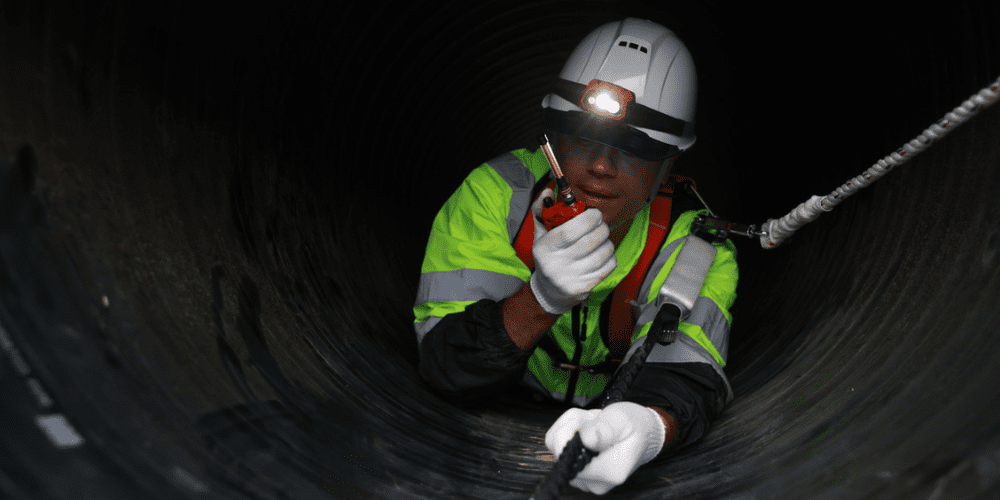
Working in the sewer and drainage environment is one of the most hazardous roles within the utilities sector. Confined spaces are a routine part of sewer work, yet they remain one of the leading causes of serious injury and fatal incidents across the UK. Limited access, restricted movement, poor ventilation, and the presence of harmful substances combine to create environments where even small mistakes can have severe consequences.
For anyone involved in sewer maintenance, drainage operations, or wastewater infrastructure, understanding confined space risks is not optional. It is a fundamental part of working safely, protecting public health, and meeting legal responsibilities. Proper training plays a critical role in ensuring that workers can recognise hazards, apply safe systems of work, and respond effectively when conditions change.
What Counts as a Confined Space in Sewer Work?
In sewer operations, confined spaces are not limited to deep chambers or enclosed tunnels. Many everyday environments encountered during drainage work meet the legal definition of a confined space. This includes manholes, inspection chambers, pumping stations, culverts, tanks, service reservoirs, and sections of pipework that restrict movement or airflow.
What defines these spaces is not just their size, but the risks they present. A confined space is any area that is substantially enclosed and where serious injury can occur due to hazardous substances, lack of oxygen, flooding, or structural instability. In sewer work, these risks are often compounded by wastewater, gases, biological contaminants, and the unpredictable nature of underground networks.
The Hidden Dangers of Working in the Sewers
Confined spaces within sewer systems present multiple hazards that can develop rapidly and without warning. One of the most serious dangers is the build-up of toxic gases such as hydrogen sulphide, methane, and carbon monoxide. These gases can displace oxygen, leading to dizziness, loss of consciousness, or death within minutes. Importantly, many of these gases are colourless and odourless, meaning workers may not realise the danger until it is too late.
Another significant risk is flooding. Sewer systems can fill quickly due to changes in water flow, blockages, or heavy rainfall. Even shallow flooding can trap workers, while sudden surges can be fatal. Added to this are biological hazards, including bacteria and viruses present in wastewater, which pose long-term health risks if exposure is not properly controlled.
Physical hazards are also common. Slips, trips, falls, poor lighting, and restricted movement increase the likelihood of injury. Confined spaces can make even routine tasks more physically demanding, increasing fatigue and reducing reaction time. Without proper planning and training, these environments can overwhelm even experienced workers.
Legal Responsibilities and Industry Expectations
UK legislation places clear duties on employers and workers when it comes to confined space work. The Confined Spaces Regulations 1997 require that risks are assessed, avoided where possible, and controlled through safe systems of work. In sewer operations, avoiding confined space entry is often not possible, which makes training and procedural control essential.
Water companies, drainage contractors, and utility providers also set their own standards for site access. Many require evidence of sector-specific training before allowing individuals to enter operational sites. This is where structured safety, health, and environmental awareness training becomes critical, ensuring consistency across teams and compliance with both legal and organisational requirements.
Why Training Makes the Difference in Confined Space Safety
Training is not just about learning rules. In sewer work, it is about developing the ability to recognise danger early, understand how different risks interact, and make safe decisions under pressure. Confined space training helps workers understand how sewer systems operate, how hazards develop, and how to apply controls that reduce risk.
Effective training covers hazard identification, atmospheric monitoring, emergency procedures, communication protocols, and the importance of permits and authorisations. Workers learn why safe systems exist, not just how to follow them. This understanding is crucial when conditions change, equipment fails, or unexpected issues arise underground.
Training also reinforces behavioural awareness. Many confined space incidents occur not because procedures do not exist, but because they are misunderstood, rushed, or bypassed. By building awareness and confidence, training helps workers challenge unsafe practices and prioritise safety, even in time-pressured environments.
How Sector-Specific Training Supports Sewer Workers
Generic health and safety courses do not address the complexity of sewer environments. Sector-specific training designed for drainage and sewerage work reflects real-world conditions, terminology, and operational challenges. It recognises that sewer workers operate in confined spaces as part of routine tasks, not as rare exceptions.
Training aligned with industry schemes ensures that workers understand their workplace responsibilities, environmental law, and occupational health risks specific to wastewater operations. It also supports consistent standards across contractors, subcontractors, and utility companies, reducing confusion and improving communication on site.
Importantly, structured training provides evidence of competence. This is increasingly required by principal contractors, water authorities, and local authorities before granting access to operational sites. It demonstrates that workers have been assessed, understand the risks, and can apply safe working practices in confined spaces.
Emergency Preparedness in Confined Spaces
One of the most critical aspects of confined space safety is emergency response. In sewer environments, rescue is complex and dangerous. Untrained rescue attempts are a common cause of multiple fatalities, as colleagues enter confined spaces without protection to assist someone in distress.
Training emphasises the importance of emergency planning, communication, and the use of appropriate rescue equipment. Workers learn when not to enter a space, how to raise the alarm, and how to follow emergency procedures that protect both the casualty and the wider team. This knowledge can be life-saving and is a vital part of confined space competence.
Building a Safer Culture in Sewer Operations
Confined space safety is not just about individual behaviour. It is about creating a culture where risks are openly discussed, procedures are respected, and safety is prioritised at every level. Training supports this by giving workers a shared understanding of hazards and controls, improving teamwork and accountability.
When workers understand why controls exist, they are more likely to apply them consistently. This reduces incidents, minimises downtime, and supports long-term health. It also helps organisations demonstrate due diligence, reduce costs associated with accidents, and protect their reputation within the utilities sector.
Why the Right Training Matters
Confined spaces in sewer work will always carry risk. However, those risks can be managed effectively through proper training, planning, and awareness. Training provides the knowledge, confidence, and practical understanding needed to work safely in some of the most challenging environments in the utilities industry.
For sewer and drainage workers, training is not simply a requirement for site access. It is a vital tool that protects lives, supports compliance, and ensures that essential infrastructure work can be carried out safely and responsibly.
Learn more about SHEA Drains and Sewers training today, and get in touch for more information.