Book professional first aid and AED training delivered in line with Health and Safety Executive guidance and meeting the standards outlined by the UK Resuscitation Council. Jason Rowley Training provides structured aid training courses designed for workplaces, schools and community organisations across the UK.
Our first aid training ensures your employees, teachers and community members gain essential skills to respond to emergency situations, including cardiac arrest, injury and life-threatening incidents. Whether you require a first aid at work qualification, AED training, or refresher training for an existing first aid certificate, our practical courses provide the confidence and knowledge to act effectively.
Secure your course date today and ensure your organisation remains compliant with health and safety requirements.
We deliver first aid and AED training for:
Our training courses can be delivered at your site or arranged at approved venues. Each person who successfully completes the course receives a completion certificate confirming their first aid qualification.
If you are interested in arranging group training or wish to request further information, contact our team today.
First aid training provides individuals with the skills required to take appropriate action in emergency situations before professional medical assistance arrives. A recognised aid qualification ensures that a first aider understands health and safety considerations, their responsibilities in risk assessment, and emergency response procedures.
Our aid courses include practical assessment and hands-on training covering:
Training is delivered by experienced trainers who focus on practical application, ensuring every person leaves with the confidence to respond effectively.
This comprehensive course is designed for high-risk environments where serious workplace incidents are more likely. Participants will learn:
Cost: £350 + VAT
Location: Delivered on-site or at our Manchester venue
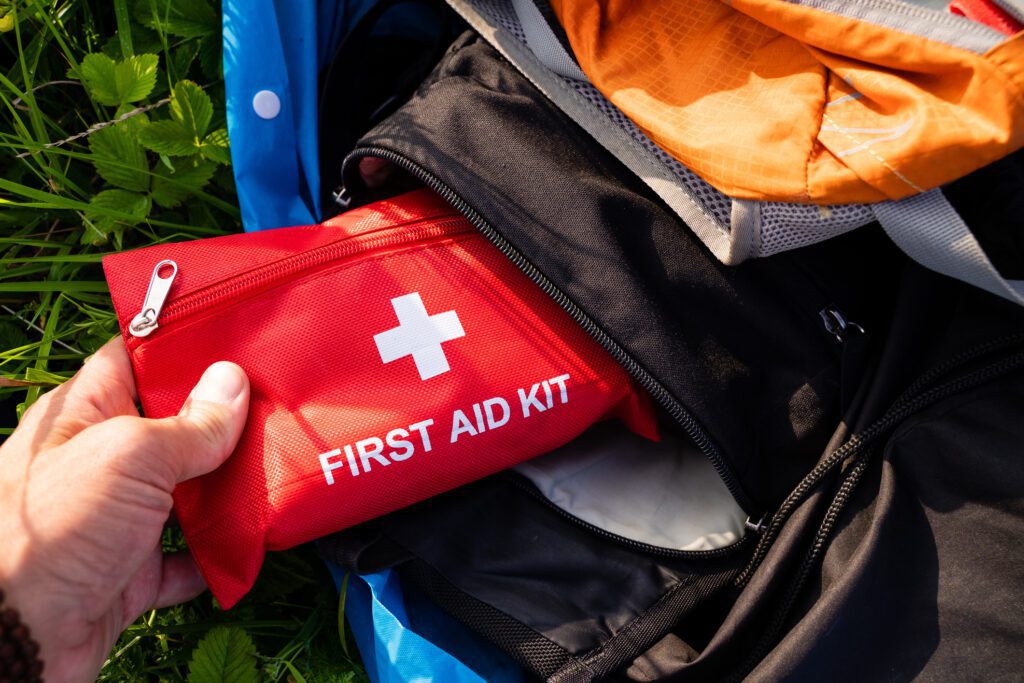
Tailored for low-risk workplaces such as offices and retail settings, this course focuses on life-saving interventions and emergency response. It covers:
Cost: £120 + VAT
Certification Validity: 3 Years
Delivery: Classroom-based (not available online)
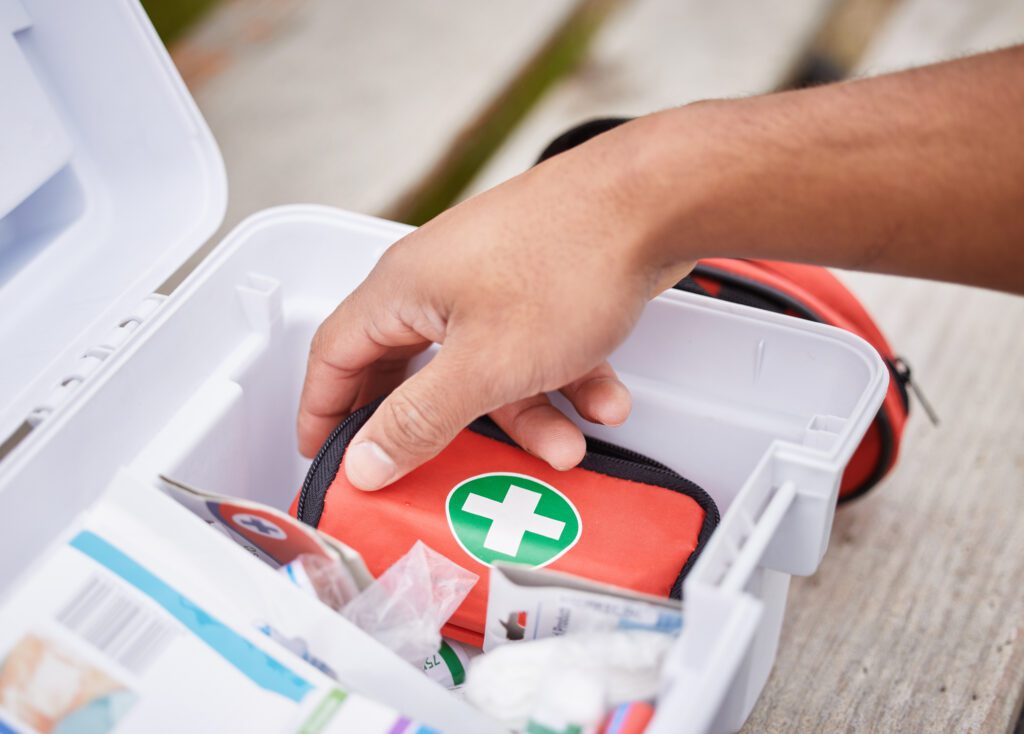
Focused exclusively on cardiac arrest response, this short training programme provides essential AED and CPR instruction for workplace responders and members of the public. Key outcomes include:
Cost: £120 + VAT
Duration: 3 Hours
Certification Validity: 3 Years
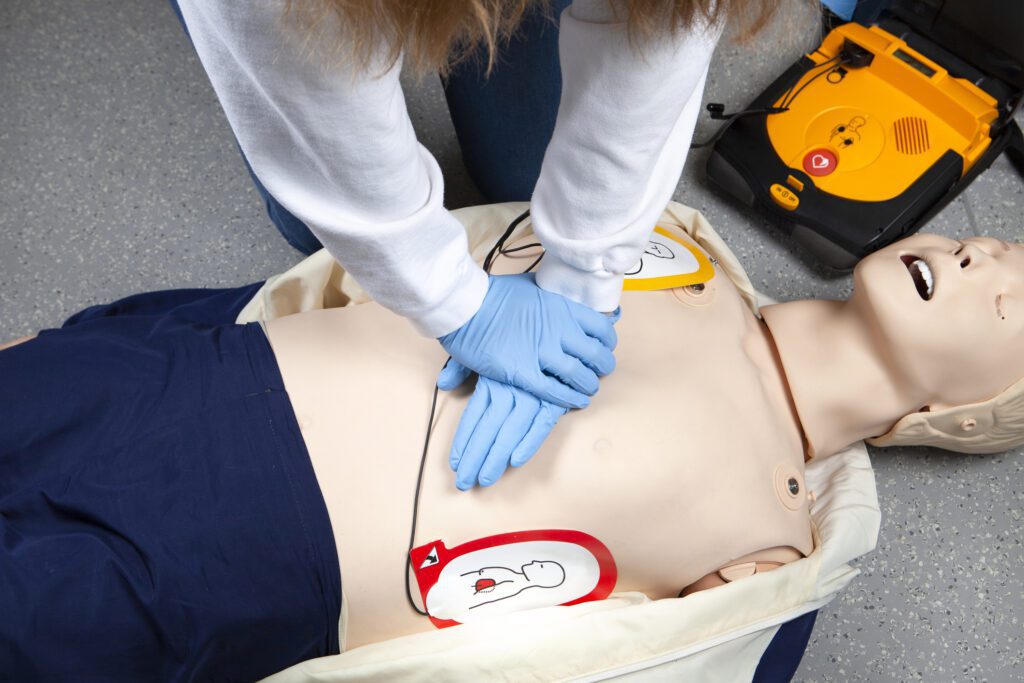
As an experienced training provider, we deliver accredited first aid training courses that meet industry standards. Many of our courses align with recognised organisations such as the British Red Cross, ensuring participants receive an industry-approved aid certificate.
Under Health and Safety Executive regulations, employers must conduct a risk assessment to determine their first aid training needs. This includes ensuring that a suitable number of employees hold a valid first-aid at work certificate.
Our first aid at work training supports organisations in meeting their health and safety obligations. Courses are aligned with Health and Safety Executive guidance and designed to provide employees with the essential skills required in the workplace.
This ensures:
Employers remain responsible for ensuring their first aid certificate holders remain in date and renew their qualification before expiry.


We deliver a structured range of first aid courses designed to meet the training needs of workplaces, schools and community organisations across the UK. Every course is aligned with Health and Safety Executive guidance and focuses on developing practical aid skills that can be applied immediately in real emergency situations. Whether your organisation requires a full first aid qualification or refresher training for employees holding an existing first aid certificate, we provide suitable options tailored to your environment and risk assessment.
Our training pathways are built around practical competence, ensuring participants gain confidence, knowledge and recognised certification upon successful completion.
Options include:
Each training course includes both theoretical knowledge and practical assessment to ensure competence. Our aid courses are suitable for low-risk offices, higher-risk industrial environments, schools and community settings.
Basic life support forms a critical foundation of all first aid and AED training programmes. In emergency situations such as cardiac arrest, immediate and effective action can significantly improve survival outcomes. Our training ensures participants understand how to respond calmly, apply cardiopulmonary resuscitation correctly and provide life-saving assistance while awaiting emergency services.
We focus on building both knowledge and confidence so that every first aider can perform CPR safely and effectively within the workplace, school or community setting.
Training includes:
Cardiopulmonary resuscitation skills significantly improve survival rates when delivered promptly and correctly. Our training ensures participants can save lives while awaiting professional medical support.
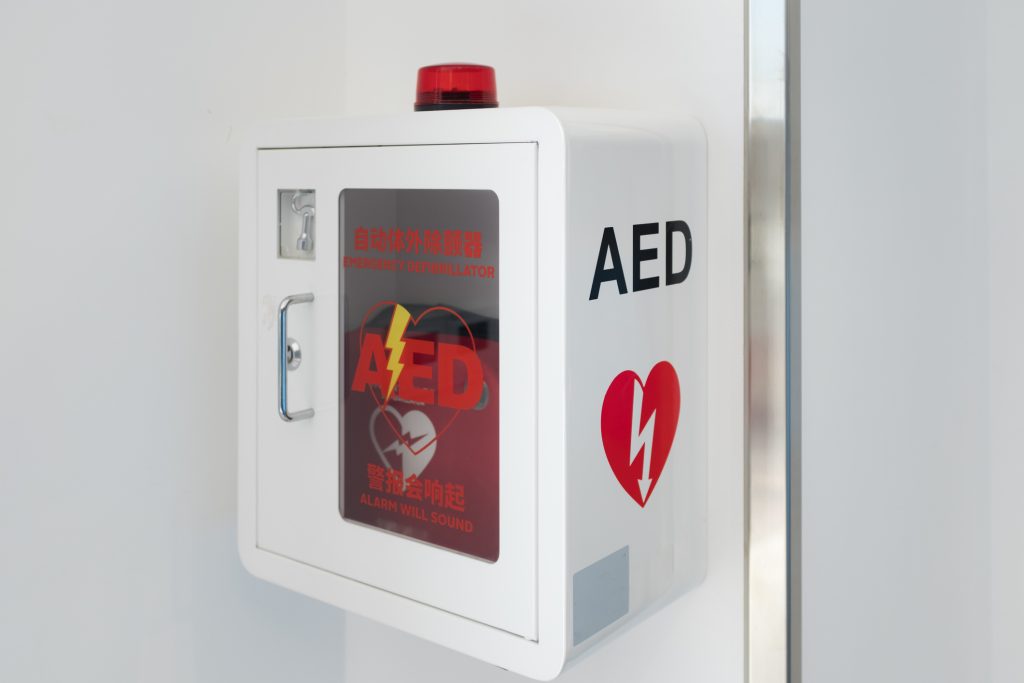
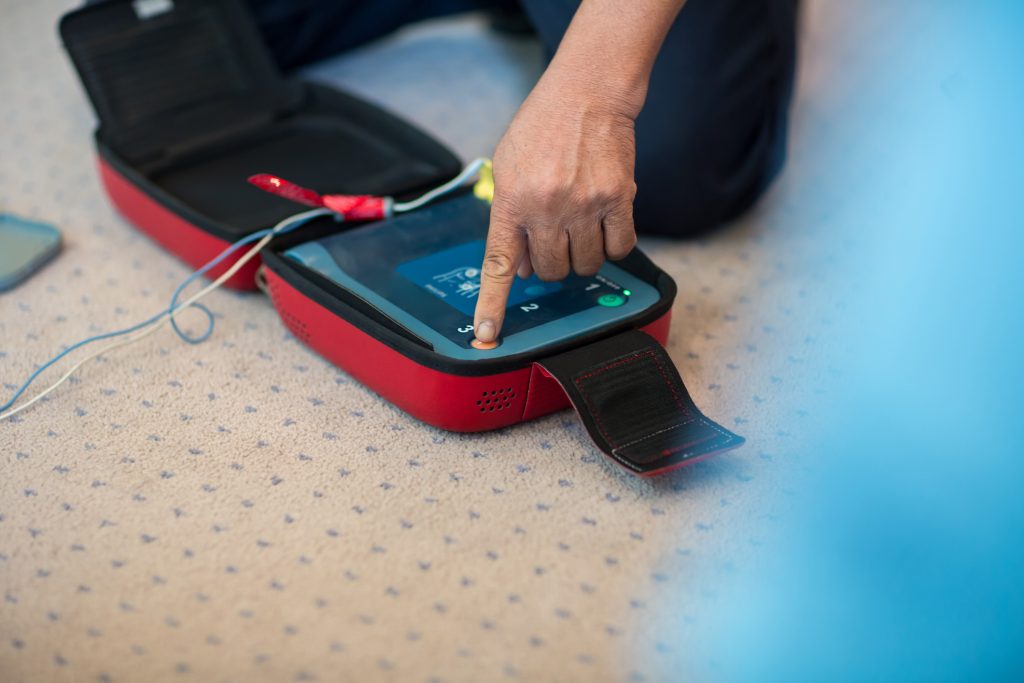
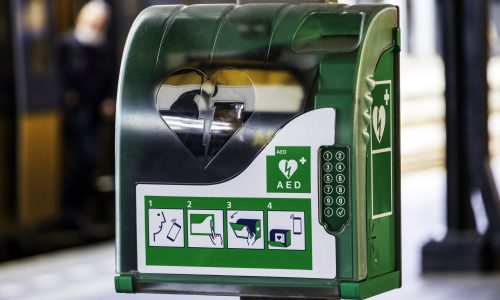
AED training provides practical, hands-on experience using an automated external defibrillator device. Sudden cardiac arrest can occur without warning, and having trained personnel on-site increases the likelihood of a positive outcome. Our courses teach participants how to operate an AED confidently, understand safety considerations and integrate defibrillator use into workplace emergency procedures.
Training is delivered in line with UK Resuscitation Council standards and reinforces safe, effective response during high-pressure situations.
Defibrillator training covers:
This ensures organisations are prepared to respond appropriately to cardiac emergencies and maintain compliance with health and safety expectations.
Course duration depends on the qualification pathway selected and the level of responsibility required within your organisation. We provide clear guidance during the booking process to ensure you select the most appropriate course based on your workplace risk assessment and training needs.
All participants must complete practical assessment activities to demonstrate competence and understanding before certification is issued.
Typical durations include:
Upon successful completion, candidates receive a recognised aid certificate valid for three years. Renewal training must be completed before expiry to maintain compliance with Health and Safety Executive guidance.
Choosing the right training provider is essential to ensure compliance, confidence and practical competence. Jason Rowley Training delivers professional, standards-aligned courses focused on real-world application rather than theory alone. We prioritise practical learning, structured assessment and clear guidance so organisations can remain compliant and prepared.
Our experience across workplace, school and community environments ensures that training is suitable, practical and tailored to your specific operational context.
We provide:
Our focus is on ensuring individuals can respond effectively in real emergency situations and apply first aid skills confidently.
First aid and AED training provides individuals with the practical skills required to respond to injury, cardiac arrest and other first aid emergency situations in the workplace, school or community setting. Training includes CPR, basic life support, safe defibrillator use and emergency response procedures aligned with Health and Safety Executive guidance.
Upon successful completion, participants receive a recognised first aid certificate, which includes confirmation of CPR competence. While organisations such as the British Red Cross also deliver first aid training, our courses are designed to meet accepted UK standards and focus on practical application. Training emphasises hands-on practice to ensure every participant feels confident responding in real emergency scenarios.
Yes. A core part of the course focuses on teaching participants how to perform CPR safely and effectively in response to cardiac arrest. Training includes cardiopulmonary resuscitation techniques, chest compressions, rescue breaths and coordinated defibrillator use.
Participants complete practical assessment tasks to demonstrate competence in CPR and emergency response. Once successfully completed, candidates receive a certificate confirming their qualification. Our approach prioritises repeated practice to ensure participants can act confidently during a first aid emergency situation.
A first aid certificate is typically valid for three years from the date of successful completion. To ensure ongoing compliance and workplace safety, renewal training should be completed before the expiry date.
Regular refresher practice is recommended annually to maintain confidence and competence in handling first aid emergency scenarios. Many employers choose to schedule refresher sessions to ensure employees remain prepared and that certification remains accepted under workplace compliance standards.
Yes. The Health and Safety Executive requires employers to conduct a risk assessment and provide appropriate first aid arrangements based on their workplace environment. This may include appointing trained first aiders and ensuring certificates remain valid.
Our training is aligned with accepted UK guidance and provides the essential knowledge and practice needed to meet these requirements. While well-known providers such as the British Red Cross operate within the sector, compliance is based on meeting regulatory standards rather than provider’s name alone. The key requirement is that training prepares individuals to respond effectively in a first aid emergency situation.
Yes. We deliver on-site training courses for workplaces, schools and community organisations across the UK. On-site delivery allows participants to practise emergency procedures within their actual working environment, increasing confidence and realism.
Certification issued upon successful completion is widely accepted for workplace compliance purposes when aligned with Health and Safety Executive guidance. Our courses focus on practical skills, real-world practice and ensuring participants are prepared to respond appropriately in emergency situations.