SHEA Drains and Sewers
Below you can view the currently scheduled available dates for this training:
SHEA Drains and Sewers training from Jason Rowley Training provides the recognised qualification required for working in the sewers, drainage systems, and wastewater environments throughout the UK. This EUSR-approved course supports individuals and organisations involved in sewer and drain work who need authorised access to operational sites under the Utility Skills Register.
Whether you are working on private sewer infrastructure, public sewer networks, or wider drainage systems, this training ensures you meet industry expectations, understand your workplace responsibilities, and operate safely within sewerage systems managed by water and sewerage companies or local authorities.
Learn more about our other EUSR-approved courses, including SHEA Power, SHEA Water, and SHEA Gas.
SHEA Drains and Sewers is a safety, health and environmental awareness course recognised by EUSR and developed specifically for professionals working in the sewers or undertaking sewer and drain activities. The scheme applies to those accessing public sewer networks, privately owned sewers, lateral drains, and unadopted sewer infrastructure.
The training delivers a uniform, industry-approved approach to environmental awareness and safety across the drainage and sewerage industry. It aligns with safety executive guidelines and supports compliance when working beyond the property boundary, helping individuals understand legal duties, ownership considerations, and operational risks.
This course is essential for anyone whose role involves sewer and drain work or access to sewer services that carry wastewater away from buildings, construction sites, or infrastructure assets.
SHEA Drains and Sewers training is suitable for professionals involved with:
It is commonly required by water and sewerage companies, local water companies, and drainage contractors working on sewer services across highways, construction sites, and other operational environments.
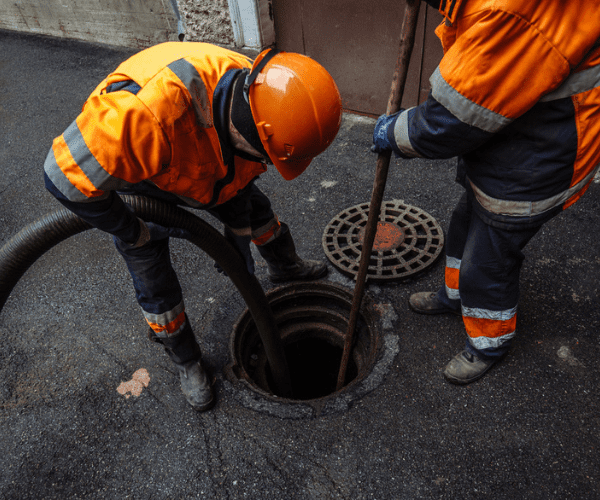
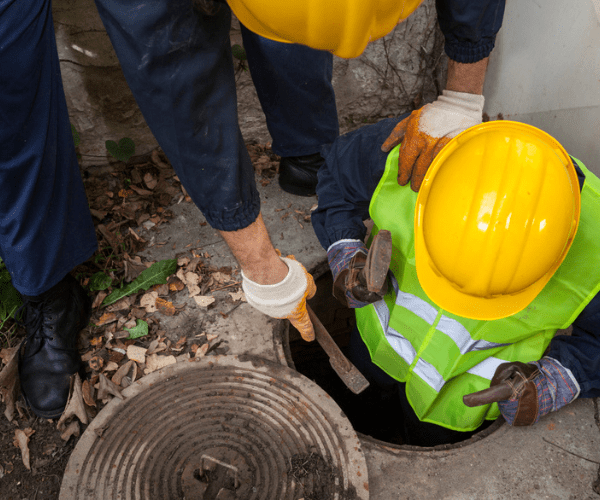
Working safely in sewer environments requires a clear understanding of ownership and responsibility. Drains and sewers vary depending on how they are constructed, where they are located, and which properties they serve.
Generally speaking, private drains carry wastewater from a single building to the property boundary. From that point, a lateral drain may connect to a public sewer, which is usually publicly owned and maintained by the water authority. Some unadopted sewers remain privately owned, meaning property owners can be jointly responsible for maintenance, repair, and upkeep at their own cost.
This training helps clarify ownership boundaries, legal responsibilities, and maintenance obligations, ensuring work is carried out correctly and safely in line with sewerage charges, local authority requirements, and industry standards.
The SHEA Drains and Sewers scheme comprises eight modules, combining six core modules relevant across utility industries with two specialist modules focused on sewer and drain environments.
The course supports workplace practice by covering:
All eight modules are designed to provide evidence that individuals have achieved an appropriate level of knowledge, behavioural awareness, and technical competence for working in the sewers.
Modules | Course Content | |
1 | Understanding our workplace responsibilities | Underpinning legal frameworks, definitions, and their application in the workplace setting, including the responsibilities for both the individual (as an employee) and the employer. |
2 | Understanding the effects of our work on the environment | Key environmental considerations in the workplace, and their impact as employees, on the sustainability of their environment. |
3 | Identifying and controlling risks | Helps the individual to identify and control risks and hazards and understand their role in preventing them through a range of positive and proactive health and safety behaviours. |
4 | Common hazards and controls in the workplace | Develops the ability to both identify a range of common physical hazards and minimise their impact in the workplace, in line with CSCS requirements. |
5 | Occupational health hazards | Explains the meaning of the term ‘occupational health’ and develop the individual’s understanding of a range of occupational health hazards and their requirements. It helps individuals identify, mitigate for and minimise occupational health hazards in the workplace. |
6 | Responding to emergencies | Develops individuals’ understanding of emergency response behaviours, the role of reporting, inspection, and enforcement of health & safety in the workplace. It also develops an individual’s understanding of the impact on employee and employer of both poor/improving health and safety in the workplace. |
12 | Drains and Sewers | Understanding of the requirements for safe working in drains and sewers. It focuses on the known risks when working with drains and sewers, of confined space working and its associated risks, the requirements for using different cleaning methods, and transferring and disposing of waste correctly. |
13 | Highway working and excavations (Drains & Sewers) | Understanding of the processes and procedures required to work in the highway; this includes both public and private environments and creating a safe working environment through the application of safe systems of work in order to avoid other utility services. The individual will understand what to do in the case of an emergency. |
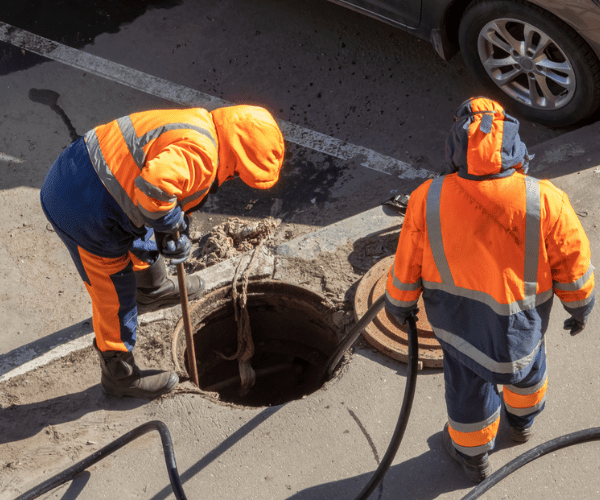
Working in the sewers involves exposure to wastewater, confined spaces, blockages, and systems that carry waste from toilets, buildings, and other properties. Aging pipework, limited access points, and older construction can increase the likelihood of hazards if work is not properly planned.
This training explains how sewer services operate, how drains lead into wider sewerage systems, and how to work safely within reasonable condition standards. You will learn how to identify common hazards, control risks, and apply safe systems of work when accessing drains and sewers in both public sewer networks and private environments.
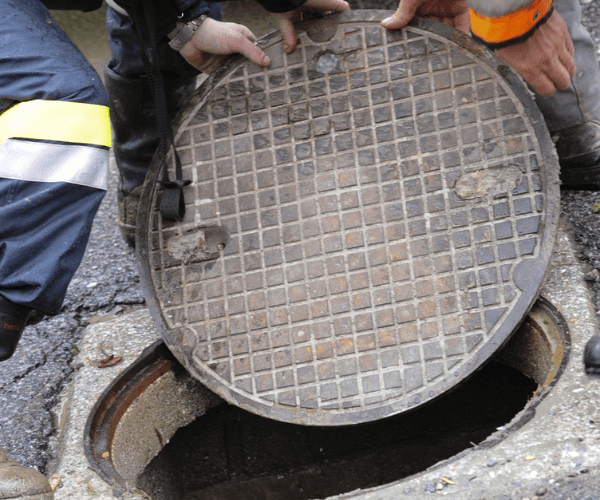
At Jason Rowley Training, we combine industry experience, EUSR accreditation, and flexible delivery to make our SHEA Drains and Sewers training one of the most trusted in the UK.
Our goal is to help you and your team demonstrate competence, reduce risks, and provide evidence of compliance through a recognised EUSR SHEA qualification.
To learn more about our drains and sewers training or explore other courses, visit our SHEA Training Courses page.
If you or your team need recognised training for working in the sewers, Jason Rowley Training offers a clear and compliant route to certification. Whether your work involves public sewer systems, private drains, or unadopted sewer networks, this course supports safe access and responsible working practices.
Contact us today to check dates, arrange on-site sessions, or discuss bespoke training packages for your business. You may also be interested in our SHEA Cross Country Pipelines and SHEA Waste and Resources Management courses.
Available dates for our courses are available here. For other courses and dates not listed, please contact us directly to arrange a suitable date.
Once you have completed a registration form you will receive an invite with instructions on how to join the course.
You can pay for your course(s) online or by card. If you’d prefer to pay by card, please get in touch.
In the first instance you need to contact the team. Depending on when your course is booked for there may be a cancellation fee. If you are due a refund money will be transferred back to you via the original method of payment.
Please get in touch and if we have availability on your preferred date, we can arrange that. There will be an amendment fee £50.
The Energy & Utility Skills Register (EUSR) is the online register of training and skills for the energy and utilities industries. This organisation is the awarding body for our courses.
Please feel free to get in touch if you can’t find the answer to your question.