Cross country pipeline work demands a high level of awareness, preparation, and responsibility. Unlike work carried out within controlled industrial environments, pipeline projects often span open land, private property, and environmentally sensitive locations. These conditions introduce risks that go beyond standard construction or utility work.
For this reason, industry-recognised training such as SHEA Cross Country Pipelines plays a vital role in preparing workers to operate safely, legally, and confidently when accessing operational pipeline sites across the UK.
Understanding Cross Country Pipelines and Their Working Environment
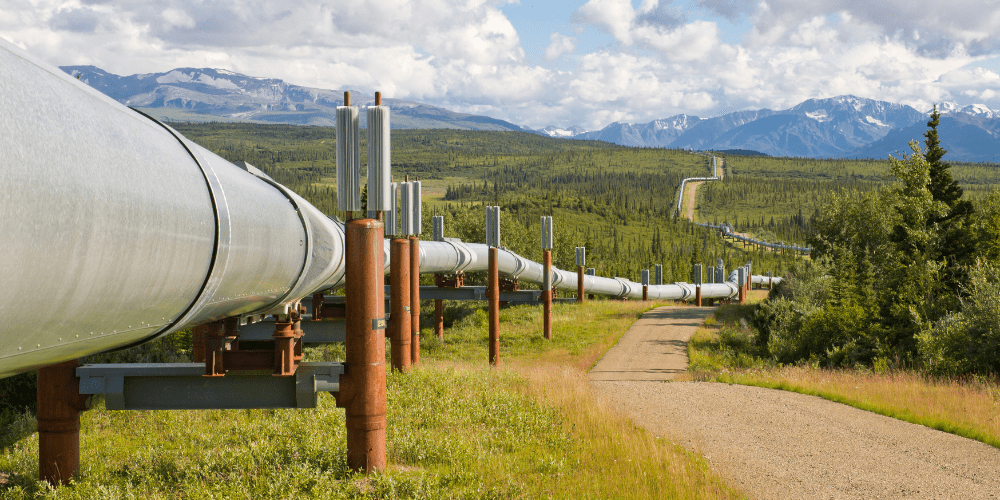
Cross country pipelines are long-distance networks used to transport gas, water, oil, and other resources across regions. These pipelines frequently pass through farmland, woodland, waterways, and public access routes, creating working environments that are unpredictable and often remote.
Because these locations fall outside traditional industrial sites, workers must manage additional challenges such as restricted access, uneven terrain, landowner coordination, and environmental protection. A strong understanding of safety, health, and environmental responsibilities is essential before any work begins.
Common Risks Associated With Pipeline Work
Ground Conditions and Excavation Hazards
Excavation near live pipelines presents one of the most significant risks. Ground stability can vary significantly depending on weather, soil composition, and previous land use. Collapse, ground movement, and plant interaction incidents are all potential hazards when controls are not applied correctly.
In rural and agricultural settings, visibility may be reduced, access routes limited, and emergency response times longer. These factors increase the importance of risk assessment and safe systems of work.
Environmental and Third-Party Risks
Cross country pipelines often run through areas where environmental damage can have serious consequences. Fuel spills, poor waste handling, or uncontrolled runoff can contaminate soil and watercourses, leading to enforcement action and costly remediation.
There is also a duty to protect third parties, including landowners, members of the public, and other contractors working nearby. Clear communication and site control measures are essential to prevent incidents.
Legal and Environmental Responsibilities
Anyone involved in pipeline work has legal duties under UK health and safety legislation. Employers must ensure workers are competent and trained, while individuals must follow procedures, use equipment safely, and report hazards.
Environmental legislation also applies. Pipeline projects must comply with requirements around waste management, pollution prevention, and land reinstatement. Failure to meet these obligations can result in fines, delays, and reputational damage.
Completing recognised training provides evidence that individuals understand these responsibilities and are prepared to work in line with current safety executive guidance.
Why Environmental Awareness Matters on Pipeline Projects
Environmental awareness is not separate from safety — it is a core part of working responsibly on pipeline infrastructure. Activities such as excavation, vehicle movement, and material storage all carry environmental risk if not managed correctly.
Training helps workers understand how their actions impact surrounding land, wildlife, and water systems. It also reinforces the importance of reporting environmental concerns early, preventing small issues from becoming major incidents.
This awareness supports consistent standards across projects, regardless of location or contractor.
The Role of SHEA Cross Country Pipelines Training
The SHEA Cross Country Pipelines training course is designed specifically for individuals who require access to operational pipeline sites. It builds on the SHEA Core framework and introduces pipeline-specific content that reflects real working conditions.
The course covers safety responsibilities, environmental awareness, and behavioural expectations, helping workers recognise hazards and apply controls effectively. On successful completion, learners receive EUSR registration, which is often required by pipeline operators and principal contractors.
Responsibilities of Individuals Working on Pipelines
Personal Accountability on Site
Workers accessing cross country pipeline sites must take responsibility for their own actions and decisions. This includes following method statements, respecting exclusion zones, and maintaining clear communication with supervisors and colleagues.
Training supports behavioural awareness, helping individuals understand how complacency, shortcuts, or poor communication can lead to serious incidents.
Supervisory and Contractor Responsibilities
Supervisors and contractors are responsible for maintaining safe working conditions across often complex, multi-site projects. This includes ensuring teams hold valid certification, coordinating activities with landowners and stakeholders, and managing interfaces with other utility services.
Well-trained teams are easier to manage, safer to deploy, and more likely to meet project timelines without incident.
How Training Supports Safer, More Efficient Projects
Projects involving cross country pipelines are often high-risk and tightly scheduled. Delays caused by safety breaches, environmental incidents, or lack of authorisation can be costly.
SHEA Cross Country Pipelines training helps reduce these risks by ensuring workers:
- Understand pipeline-specific hazards
- Apply consistent safety and environmental controls
- Communicate effectively across teams
- Work confidently in remote or sensitive locations
This leads to fewer incidents, improved compliance, and smoother project delivery.
Who Should Complete This Training?
The course is suitable for a wide range of roles involved in pipeline work, including:
- Pipeline operatives and maintenance teams
- Construction contractors and engineers
- Supervisors and site managers
- Anyone requiring authorised access to pipeline operational sites
If your role involves working on or near cross country pipelines, this training provides a strong foundation for safe and compliant working.
Supporting a Culture of Safety Across Pipeline Operations
Cross country pipelines are critical assets that require careful management and skilled workers. Training ensures everyone involved understands not only what to do, but why it matters.
By completing SHEA Cross Country Pipelines, individuals and organisations demonstrate a commitment to safety, environmental protection, and professional standards across the utilities sector.
Learn more or book SHEA Cross Country Pipelines training today, or explore the full range of SHEA training courses available through Jason Rowley Training.