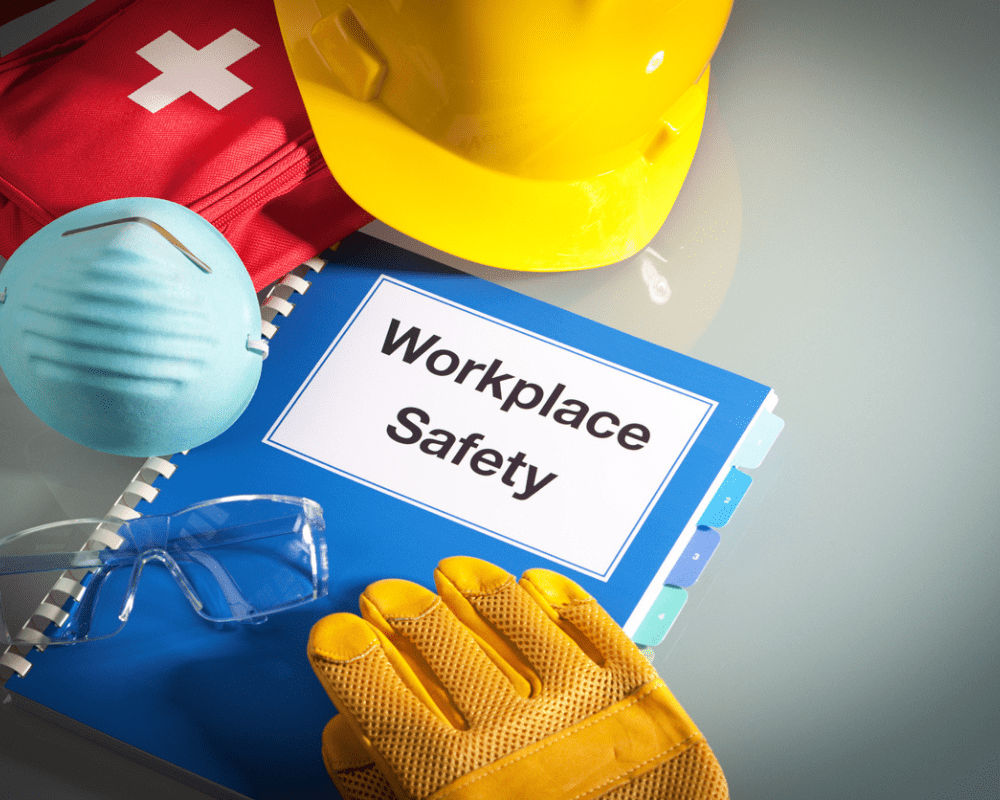

Workplace emergencies rarely come with warning. A sudden collapse, a serious cut, a burn, or a breathing issue can happen in any environment, from offices and schools to construction sites and utility operations. In these moments, the actions taken in the first few minutes can determine the outcome. This is why Emergency First Aid at Work training is not just a compliance requirement, but a critical safeguard for people, businesses, and communities.
At Jason Rowley Training, we deliver Emergency First Aid at Work training that gives individuals the confidence and practical ability to act quickly, correctly, and calmly when it matters most.
What Is Emergency First Aid at Work?
Emergency First Aid at Work is a recognised training course designed to prepare nominated workplace first aiders to deal with immediate, life-threatening situations. Unlike more advanced multi-day first aid qualifications, this course focuses on rapid response, ensuring that first aiders can stabilise a casualty until professional help arrives.
The training covers essential skills such as assessing an emergency situation, managing an unconscious casualty, performing CPR, dealing with bleeding, burns, shock, and responding to sudden medical incidents. For many workplaces, this qualification meets the minimum legal requirement for first aid provision under Health and Safety Executive guidance.
Why First Aiders Are Essential in the Workplace
Every employer has a legal duty to provide adequate and appropriate first aid arrangements. However, beyond legal compliance, trained first aiders play a vital role in protecting lives, reducing injury severity, and supporting workplace wellbeing.
Accidents often happen faster than emergency services can arrive. A trained first aider bridges that gap. Early intervention can prevent a situation from escalating, reduce recovery time, and in some cases, save a life. This is particularly important in industries where physical work, machinery, or lone working increases risk.
Emergency first aid training also reassures employees. Knowing that someone on site is trained to respond builds confidence and reinforces a strong safety culture.
What Emergency First Aid Training Teaches
Emergency First Aid at Work training focuses on practical, usable skills rather than theory alone. Learners are taught how to assess a casualty using a primary survey, identify immediate dangers, and prioritise actions.
Key areas include managing unconscious casualties, placing someone in the recovery position, controlling bleeding, treating burns and scalds, responding to choking, and recognising signs of serious illness such as heart attacks or strokes. CPR training is a core component, ensuring first aiders can respond confidently to cardiac emergencies.
The course also reinforces the importance of personal safety, scene management, and clear communication with emergency services.
Who Should Take Emergency First Aid at Work Training?
This course is suitable for a wide range of workplaces, particularly those with low to medium risk environments. It is commonly taken by appointed workplace first aiders, supervisors, team leaders, and employees responsible for health and safety.
It is also ideal for organisations that need to train multiple staff members quickly, or for businesses where a full three-day First Aid at Work course is not required. Many employers choose to combine this training with other safety programmes to strengthen overall workplace preparedness.
For businesses with higher-risk environments, Emergency First Aid at Work often forms part of a wider first aid strategy alongside additional training options.
The Role of AED Awareness in Emergency Response
While Emergency First Aid at Work focuses on immediate life-saving actions, many workplaces also choose to extend training to include AED and CPR training. Automated External Defibrillators are increasingly common in workplaces, public buildings, and community spaces.
Understanding how and when to use an AED significantly improves survival rates during cardiac arrest. Jason Rowley Training offers dedicated AED and CPR training courses that complement emergency first aid qualifications and strengthen emergency response capability.
You can explore our wider First Aid and AED training courses to see how these options work together.
Benefits for Employers and Organisations
Investing in Emergency First Aid at Work training provides clear benefits for employers. It supports legal compliance, reduces the impact of workplace incidents, and demonstrates a genuine commitment to employee welfare.
Well-trained first aiders can help minimise downtime caused by accidents, reduce the severity of injuries, and contribute to lower incident costs. In regulated industries, having trained first aiders also supports audits, inspections, and insurance requirements.
From a people perspective, first aid training empowers staff with transferable life skills that extend beyond the workplace.
Why Choose Jason Rowley Training?
Jason Rowley Training delivers Emergency First Aid at Work courses led by experienced, qualified trainers with real-world knowledge of workplace risks. Our training is designed to be clear, engaging, and practical, ensuring learners leave confident in their ability to act.
We offer flexible delivery options, including in-person courses and group training, and we support organisations across a wide range of sectors. Our focus is not just on certification, but on developing competent, calm first aiders who can respond effectively in real emergencies.
Book Emergency First Aid at Work Training Today
Emergencies are unpredictable, but preparation doesn’t have to be. Emergency First Aid at Work training gives your team the skills and confidence to respond when it matters most.
If you’re looking to train first aiders or review your workplace first aid provision, explore our Emergency First Aid at Work training course, or view our full range of First Aid and AED training options. Our team is ready to help you choose the right course for your organisation.