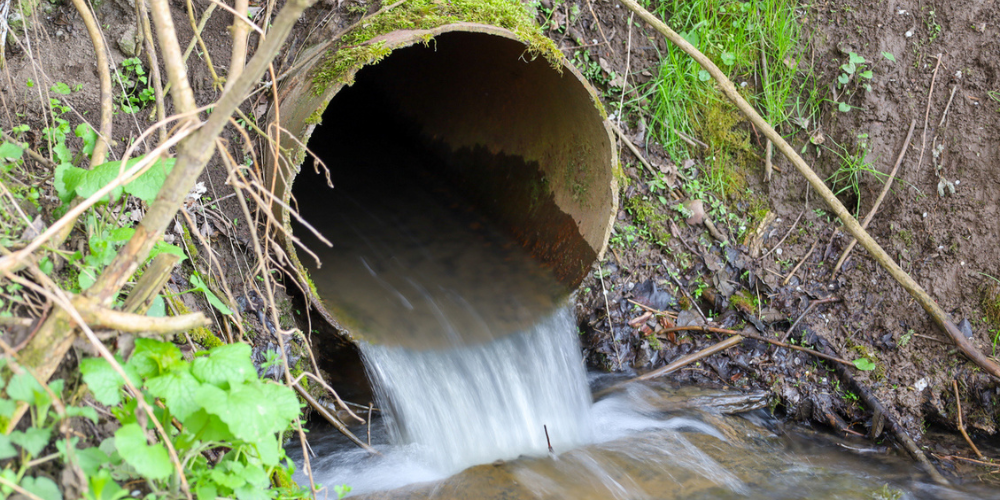
Working around wastewater is an unavoidable reality for many people across the drainage and utilities sector. Whether you are maintaining sewer networks, responding to blockages, inspecting chambers, or carrying out repairs at treatment facilities, wastewater environments present a unique combination of health, safety, and environmental risks. Unlike many other workplaces, these risks are often hidden, unpredictable, and capable of causing serious harm if not properly managed.
For drainage workers, staying healthy is not just about wearing the right equipment. It relies on understanding how wastewater systems function, recognising hazards early, and applying safe systems of work consistently. Practical safety knowledge, supported by industry-recognised training, plays a critical role in protecting individuals, teams, and the public.
Why Wastewater Environments Demand Extra Care
Wastewater environments are fundamentally different from standard construction or maintenance sites. They are designed to transport waste safely away from homes, businesses, and industrial premises, not to provide safe working conditions. As a result, many hazards are built into the environment itself.
Sewers and drainage systems often contain a mixture of human waste, chemicals, fats, oils, industrial residues, and surface water. These substances can change rapidly depending on usage patterns, rainfall, or system faults. A site that appears stable one moment can become hazardous within minutes.
Drainage workers must also contend with restricted access, poor visibility, confined spaces, and limited escape routes. When something goes wrong in these environments, the consequences can escalate quickly.
Understanding this reality is the first step in staying healthy while working around wastewater.
Biological Hazards and Disease Exposure
One of the most significant risks in wastewater work is exposure to harmful microorganisms. Sewage can contain bacteria, viruses, and parasites capable of causing serious illness. Even brief exposure can lead to infection if controls are not in place.
Common health risks include gastrointestinal illnesses, skin infections, respiratory issues, and diseases such as leptospirosis, which can be contracted through contact with contaminated water entering cuts or abrasions. Repeated exposure without adequate protection increases the likelihood of long-term health problems.
Good hygiene practices are essential but must be supported by awareness and training. Drainage workers need to understand how contamination occurs, why handwashing alone is not always sufficient, and how protective equipment and clothing should be used correctly. Just as importantly, workers must recognise early symptoms of illness and know when to report concerns.
Air Quality and Invisible Dangers
Air quality is another critical factor in wastewater safety. Gases such as hydrogen sulphide, methane, and carbon dioxide commonly occur in sewer environments. These gases can be toxic, explosive, or capable of displacing oxygen, creating life-threatening conditions.
What makes these risks particularly dangerous is that they are often undetectable by human senses. Hydrogen sulphide, for example, can dull the sense of smell, giving a false impression that the danger has passed. Methane poses both explosion and suffocation risks, especially in enclosed spaces.
Safe working around wastewater requires an understanding of atmospheric hazards and the importance of monitoring equipment, ventilation, and confined space controls. Training reinforces why these precautions exist and why shortcuts can have fatal consequences.
Confined Spaces and Restricted Movement
Many drainage environments fall under confined space definitions due to limited access, poor ventilation, and the presence of hazardous substances. Manholes, chambers, tanks, and pumping stations restrict movement and make rescue operations difficult.
In confined spaces, even minor incidents can quickly become emergencies. Slips, falls, or sudden inflows of wastewater can trap workers with little warning. Rescue attempts are especially dangerous if carried out by untrained personnel.
Drainage workers must understand when confined space procedures apply, how permits work, and why supervision and emergency planning are essential. This knowledge supports safer decision-making and prevents avoidable incidents.
Physical Strain and Environmental Stress
Wastewater work is physically demanding. Manual handling, awkward postures, heavy equipment, and uneven surfaces all contribute to musculoskeletal strain. Slippery conditions, low lighting, and restricted visibility increase the likelihood of falls and injuries.
Environmental stress also plays a role. Cold, damp conditions can reduce dexterity and concentration, while prolonged exposure to unpleasant environments can lead to fatigue. Over time, these factors increase the risk of mistakes.
Staying healthy in drainage work means recognising physical limits, using correct techniques, and understanding how environmental conditions affect performance. Training helps workers identify these risks and apply practical controls to reduce injury.
Legal Responsibilities and Industry Standards
Health and safety law places clear duties on employers and workers to manage risks associated with wastewater environments. Risk assessments, safe systems of work, and competence requirements are legal expectations, not optional measures.
Beyond legislation, the utilities sector operates under strict access and compliance requirements. Water companies, local authorities, and principal contractors often require evidence of sector-specific training before allowing access to operational sites.
Training aligned with recognised industry schemes demonstrates that individuals understand the hazards they face and the controls required to manage them. It also provides assurance to employers and clients that work will be carried out safely and responsibly.
The Role of Training in Long-Term Health Protection
Training does more than meet compliance requirements. It plays a vital role in protecting long-term health by reinforcing safe behaviours, encouraging hazard awareness, and promoting proactive decision-making.
Effective training explains not only what to do, but why it matters. It helps workers understand the consequences of exposure, the importance of following procedures, and the value of stopping work when conditions become unsafe.
For drainage workers, this understanding supports safer choices on site and reduces the likelihood of incidents caused by complacency or lack of awareness. It also helps build confidence, particularly for less experienced workers entering challenging environments.
Creating a Safer Culture in Drainage Work
Staying healthy around wastewater is not solely an individual responsibility. It depends on a workplace culture that values safety, communication, and accountability. Workers must feel empowered to raise concerns, report hazards, and challenge unsafe practices without fear of criticism.
Training supports this culture by providing a shared understanding of risks and expectations. When everyone on site understands the same safety principles, it becomes easier to work together effectively and safely.
A strong safety culture also benefits organisations by reducing sickness absence, improving productivity, and protecting reputation. In a sector where public health is directly affected by the quality of work carried out, these benefits are significant.
Why Practical Safety Knowledge Matters
Wastewater systems are essential to modern life, but working within them carries unavoidable risks. These risks can be managed, however, through practical knowledge, preparation, and training.
For drainage workers, staying healthy depends on understanding the environment, recognising hazards, and applying safe systems consistently. Training provides the foundation for this understanding, helping individuals work confidently and safely in demanding conditions. Learn more about SHEA Sewers and Drains training today, or get in touch for more information.