How SHEA Telecoms Training Supports a Safer UK Telecoms Sector
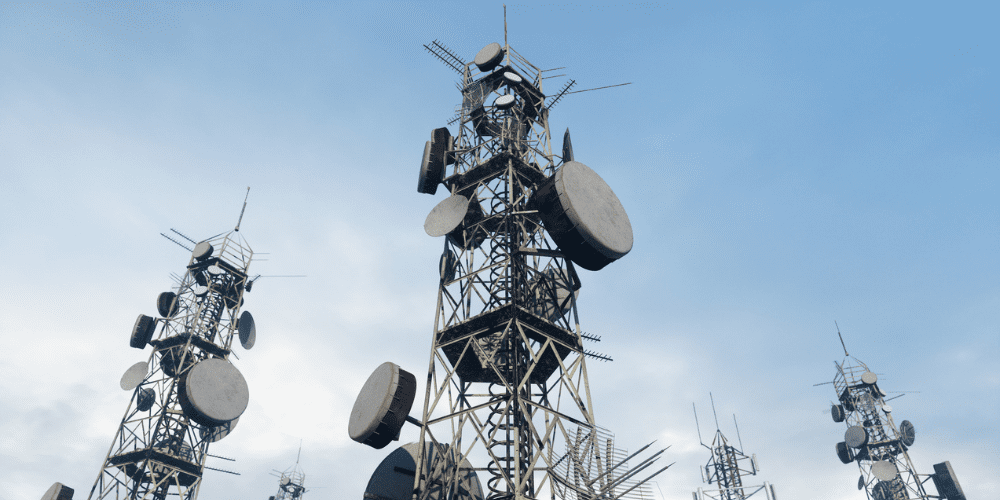
The UK’s telecommunications infrastructure underpins everything from emergency services to day-to-day business communication. Whether it’s fibre broadband installations or mobile tower maintenance, operational safety and awareness must remain a top
How Permit‑to‑Work (PtW) Systems Keep Gas Network Work Safe under SCO
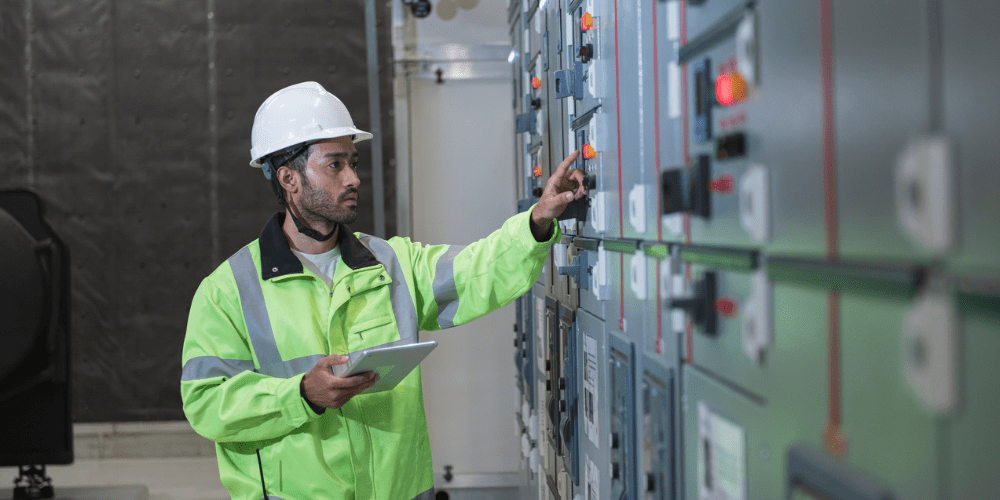
When working in the gas industry, many jobs follow standard procedures. Some tasks are more complex or risky. Those require a formal permit‑to‑work (PtW) system. Under the Safe Control of
What Counts as a Non‑Routine Operation on the Gas Network
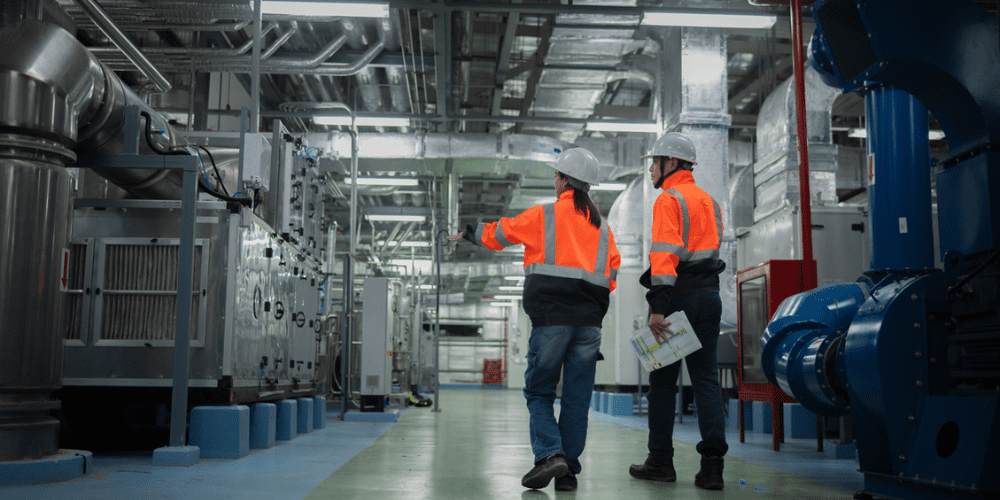
Working on a gas network involves more than routine maintenance and standard tasks. Some operations fall outside regular procedures, they carry higher risk and demand extra care. These are classed
Do You Need a SHEA Telecoms Card to Work in Utilities?
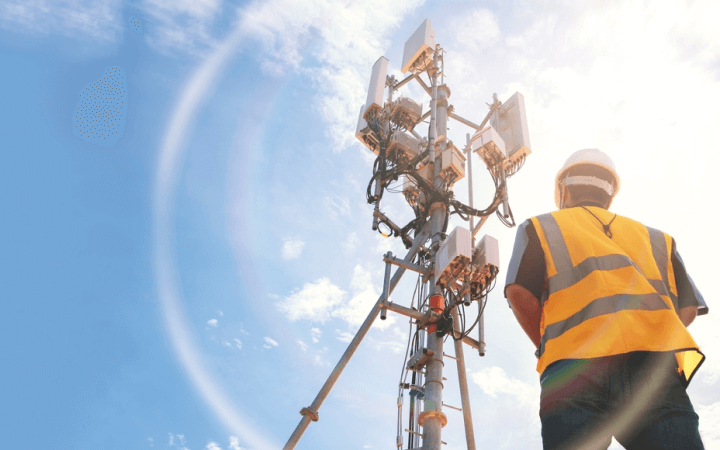
If your job involves telecoms infrastructure, such as overhead cables, underground ducts, streetworks or working on utility sites, a valid SHEA Telecoms card can make a big difference. The SHEA
SHEA Water vs National Water Hygiene: Do You Need Both?
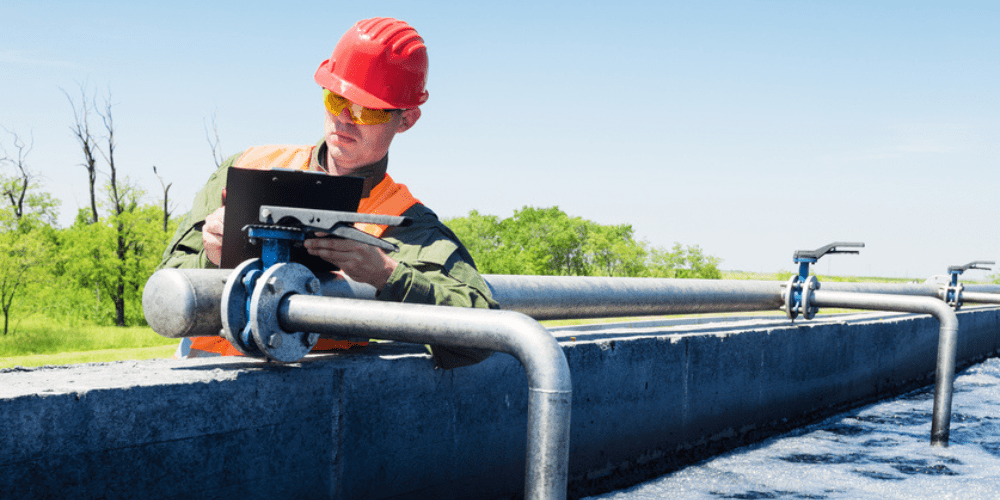
If you’re working in the water industry, you’ve probably come across two common training schemes: SHEA Water and National Water Hygiene. But which one do you actually need, and is
Why the National Water Hygiene Card Matters
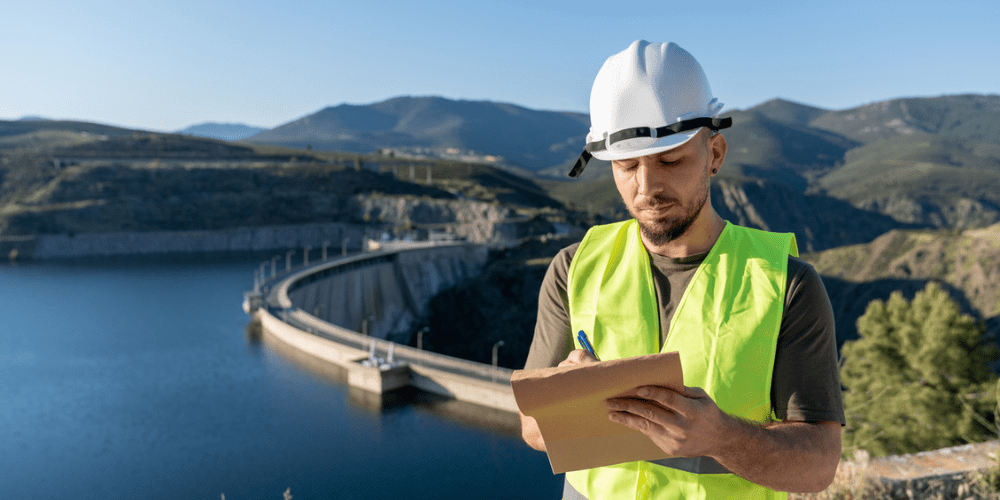
If your work involves clean water infrastructure, such as treatment works, reservoirs, or mains maintenance, having a valid National Water Hygiene Card is a basic requirement. This certification shows you
How TEM 2–4 Training Strengthens Your Site Safety Strategy
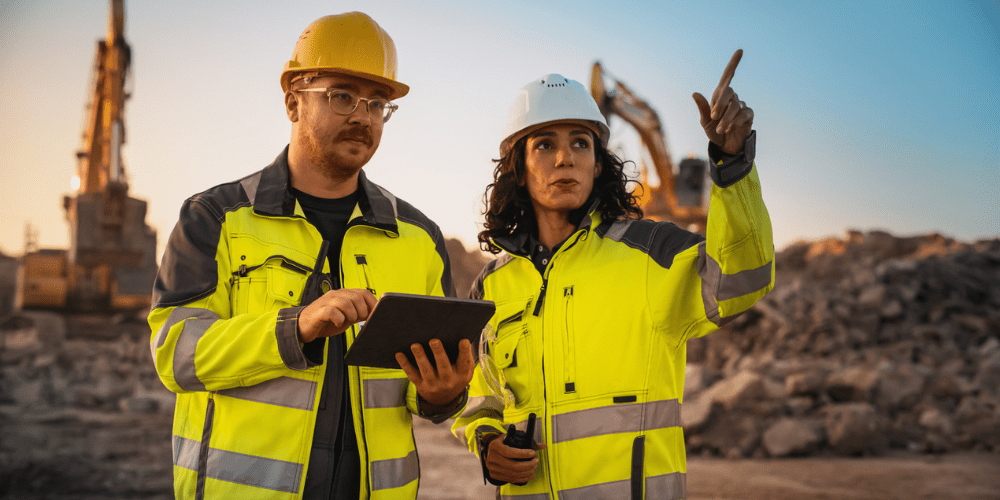
Every construction or utilities project starts with one priority: safety. From PPE and site signage to risk assessments and toolbox talks, every measure is designed to protect people and property.
How Often Should Hot Work Training Be Renewed?
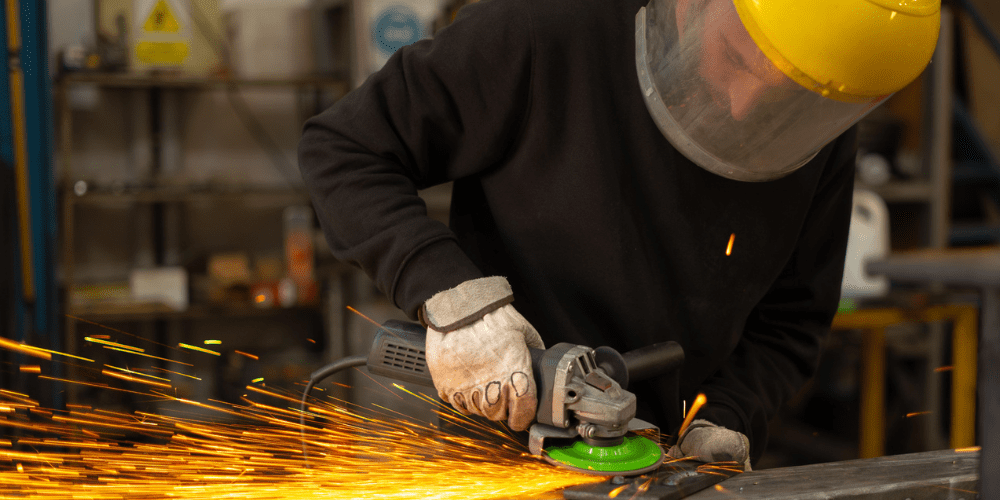
Hot work might look routine, cutting, grinding, and welding, but behind every spark lies one of the most common causes of workplace fires. Even experienced professionals can forget just how
What to Do in the First 5 Minutes of a Cardiac Emergency

Emergencies never arrive with warning, they happen in a heartbeat. Imagine this: you’re in the middle of a meeting, chatting with a colleague. Without warning, they collapse. No movement. No
Why Every Workplace Needs a Qualified First Aider
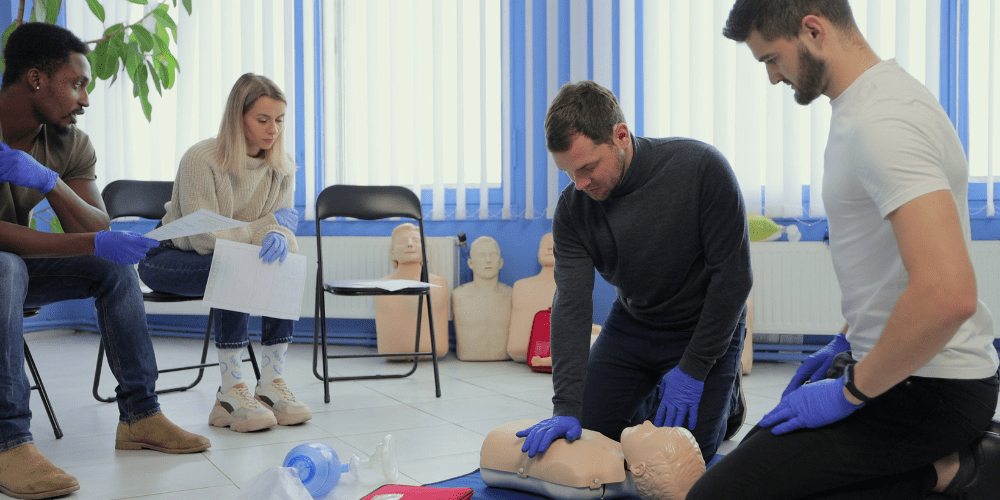
When it comes to health and safety at work, few measures are more important than ensuring your team includes a qualified first aider. Whether your workplace is a construction site,